我的關注重點
1. Design for the Individual, Not the Average
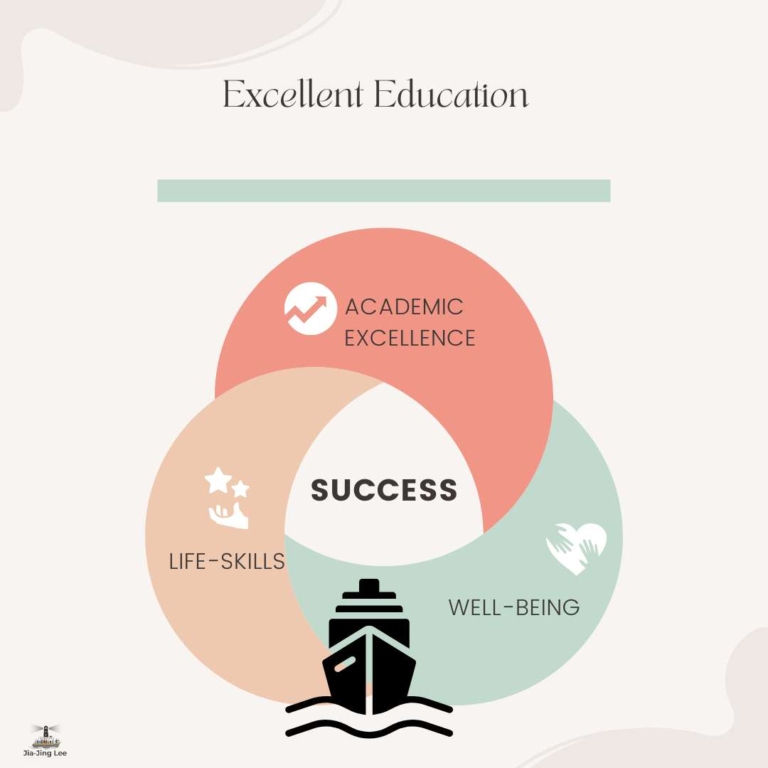
I believe every child is a unique passenger on a learning journey. My advocacy rests on a simple principle: when we center a child’s individual learning profile—neurodivergent or neurotypical—the science of learning can finally take effect.
I bridge clinical data and classroom practice to ensure every student is supported, rather than being squeezed into a one-size-fits-all system. Where some see a “lack of effort,” I see a mismatch between a child’s neurological architecture and a 19th-century classroom design. I don’t advocate for more effort from the student; I advocate for better design from the institution.
2. Inclusion by Default
Systems should be built for biological and developmental diversity from the start. I advocate for an educational architecture that expects neurodiversity as the standard, rather than treating it as an exception to be managed. Inclusion isn’t a “special” add-on; it is a structural requirement.
3. Bridging the Clinical-Classroom Divide
Scientific insights from the lab often take years to reach the classroom. I work to close that gap. By translating complex medical and developmental data into actionable educational strategies, I help schools and families build support systems that are rooted in evidence and reality.
4. Cultural and Linguistic Awareness
Systems must be accessible to everyone, regardless of the language they speak or their cultural background. My work is informed by a global perspective and a commitment to ensuring that communication barriers never stand in the way of a child’s right to a high-quality education.
The Credentials
As a state-appointed Special Education Surrogate Parent (SESP), I serve as the legal voice for students in state custody. This work is the heartbeat of my advocacy—ensuring the most vulnerable students receive the same rigorous, individualized attention as any other child.
The Power of Lived Experience
Systems only change when we listen to the people they are meant to serve. If you are a student, parent, or individual who has navigated the gaps in our educational or mental health systems, I invite you to share your perspective. Your insights help guide my advocacy and inform my work toward building more humanized, accessible learning environments.
(Note: To protect privacy, do not include sensitive personal identifiers or specific medical records in your initial message.)
Direct Support for Families
Navigating the IEP or 504 process can feel overwhelming. I dedicate a portion of my time to pro bono advocacy and consultation for families in high-need situations or those currently facing systemic challenges. If you need an expert voice in your corner, please reach out.
Discussion & Systemic Change
I welcome conversations with educators, researchers, and fellow advocates. If you are interested in systemic education reform, neuroinclusive design, or potential collaborative projects, let’s start a dialogue.