Skip to content Skip to footer

A Conversation on Science, Service, and Systems

Life doesn’t move in a straight line, even though society often pretends it does. My path through Karolinska, Harvard, nonprofit founding and management, and education advocacy wasn’t conventionally scripted—it unfolded as I responded to real responsibilities and real needs. Over time, I turned those experiences into a meaningful journey, building resilience, curiosity, practical wisdom, and the ability to genuinely serve others.

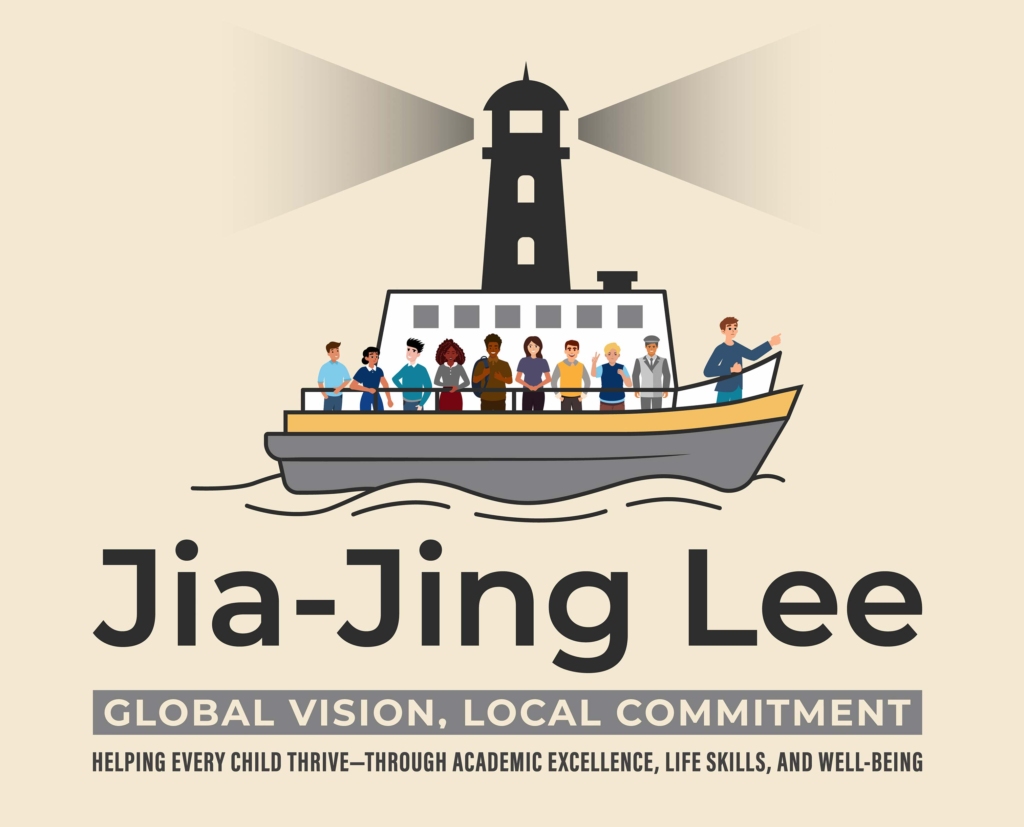
We often treat education and careers as fixed routes to a specific destination. But reality feels more like a ferry ride: the weather changes, currents shift, and sometimes the engine stalls. The skill isn’t following a pre-drawn map—it’s learning how to read the currents and adjust when needed.

What some call an “unconventional” path has taught me that achievement isn’t just a title or position. It’s the capacity to adapt, stay grounded, and keep moving forward when plans change. That perspective shapes all my work. Whether I’m auditing an organization or supporting a school community, I’m not looking for a perfect system—I’m looking for one flexible enough to truly serve the people it was built for.

It makes it more necessary because I’ve navigated similar unpredictability in my own work and life. Whether I’m auditing an organization or advocating for a child or family, I look for Structural Integrity—what’s really happening, and whether the process matches the intended goal. Systems often fail because they don’t adapt when they should. I apply scientific rigor to spot gaps, troubleshoot, and create solutions that actually work for people. You can’t predict every challenge or twist in life, but you can build a better vessel—one designed to serve everyone on board and fulfill its purpose.

Not at all. Human qualities—kindness, wisdom, and compassion—are what actually make the difference. Being people-centered means recognizing that the “passenger” (a child, a researcher, a patient, or anyone we serve) is why the system exists—the system is meant to serve them, not the other way around.

Kindness and compassion aren’t extras—they’re essential. Wisdom is more than knowledge; it’s knowing what should be done, what shouldn’t, and the most skillful way to act. My scientific training gives me the data, but my life experience shows me that behind every spreadsheet is a real person trying to find their way. This awareness guides every decision I make and how I navigate challenges.

At the end of the day, the measure of any system is how well it serves the people it was built for. Being people-centered isn’t optional—it’s the most resilient way to build a future.

For me, success isn’t about reaching a fixed destination. It’s about how you move through the journey—especially when things don’t go as planned. I think of it as being a navigator: staying curious, taking responsibility, and making sure the “Ferry” is structurally sound for everyone on board.

Living wisely means valuing resilience over simply collecting knowledge. Information changes. Circumstances change. Plans change. What matters is developing an internal compass—knowing how to judge wisely, stay steady, and respond thoughtfully rather than reactively.

For me, wisdom isn’t abstract. It shows up in everyday decisions—staying grounded when things shift, thinking clearly under pressure, and remembering that people always matter more than the system.

For me, the thread connecting medical science, nonprofit leadership, and advocacy is simple: they are all forms of service. We live in an interdependent world. At some point in life, everyone will need support—even those who seem the most fortunate.

I’ve seen how systems can either protect people or fail them. Being able to serve and advocate, especially for those who don’t always have a voice, feels less like a choice and more like a responsibility.

There’s a line from the philosopher Shantideva that has stayed with me: “All the happiness there is in this world arises from wishing others to be happy.” For me, that isn’t just about wishing—it’s about taking action. Service and advocacy are simply ways of turning that intention into practical action that makes a real difference.

Recent Insights

Making Education Work for Every Child: My Practical Plan

Equity isn’t a buzzword — it’s a promise. Every child deserves the chance to learn, grow, and thrive — whether they’re struggling or advanced.

Bullying Is Only Part of the Problem

The numbers tell a story, one that deserves a closer look. Let’s talk about fairness, discipline, and how our community can do better for every student.
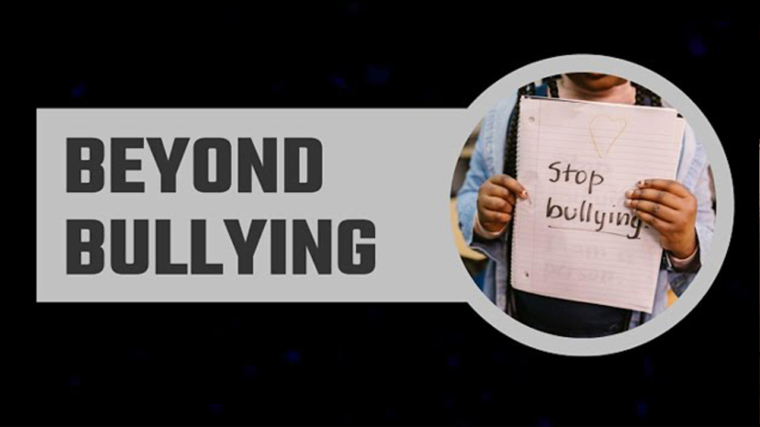

Bullying & Discrimination in Schools: What You Need to Know

In this video, we explore what bullying looks like, how schools should respond, and why building a culture of respect and inclusion matters. Join the conversation: how can we make schools safer and kinder for everyone?